
Finished Edges That Seal and Frame Properly
Trim Installation and Repair in Canton for Wood Casings Exposed to Moisture and Impact
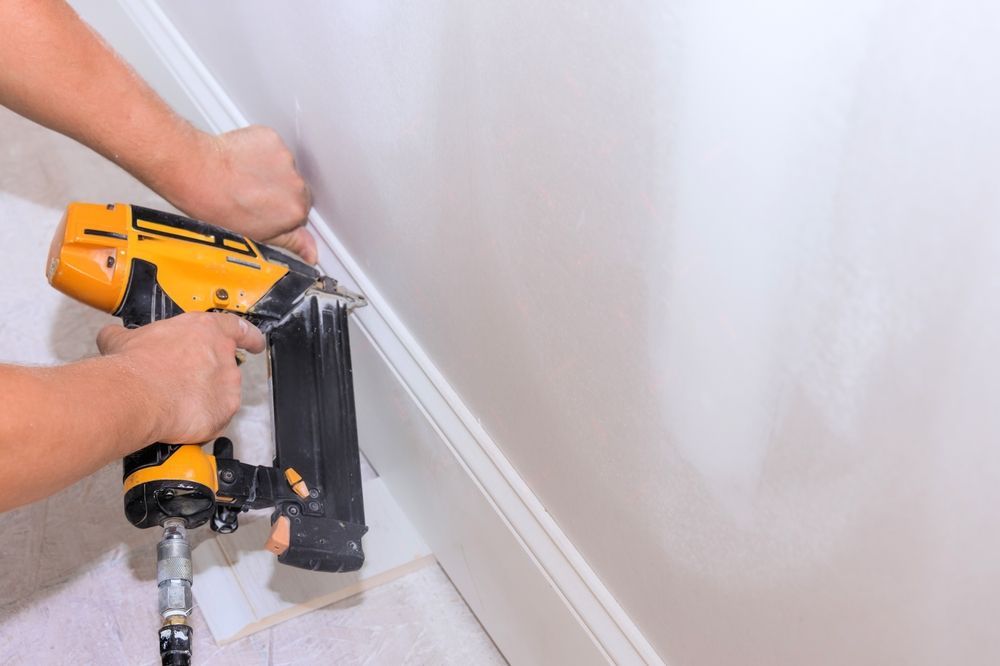
Wood trim in Canton-area homes deteriorates when exterior casings remain in contact with moisture from landscape irrigation or roof runoff, and interior baseboards split when forced into place over uneven flooring. Your Home Handyman replaces damaged sections and installs new trim on baseboards, crown molding, and door frames using measurement and cutting techniques that produce tight joints at inside and outside corners. Once installed, trim is caulked at wall joints and receives stain or paint to match existing finishes, and you no longer see gaps where baseboards pull away from walls or mitered corners separate over time.
Trim measurement accounts for wall irregularities and out-of-square corners, and fastening methods are selected based on whether the trim will be painted or stained—painted trim receives nail holes filled with putty, while stained trim uses color-matched filler applied after finish coats dry. Caulking seals the joint between trim and wall to prevent drafts and moisture infiltration, and exterior trim receives additional sealing at end grain to stop water absorption that causes rot.
Request a detailed estimate to address trim damage in specific rooms or throughout your home based on current condition.
How Trim Installation Addresses Moisture Damage
Homes near Lake Arrowhead and downtown Canton experience exterior trim rot when water pools against wood casings, and the damaged sections must be cut back to solid material before new trim is installed. Proper installation includes priming all six sides of exterior trim before fastening it in place, which prevents moisture from wicking into end grain and traveling along the wood fiber, and using corrosion-resistant fasteners that will not rust and stain the painted surface.
After installation, joints fit tightly without visible gaps at mitered corners, baseboards sit flush against both wall and floor without rocking, and crown molding follows the ceiling line without sagging between fastening points. Door casings frame openings symmetrically, and the reveal between jamb and casing remains consistent along the full height of the doorway.
The service includes baseboards in rooms where flooring has been replaced and existing trim no longer covers the gap at the wall, crown molding that adds a finished appearance to rooms with plain ceiling-wall junctions, and exterior trim repairs that stop water intrusion before it reaches sheathing or framing. Stain application matches existing wood tones using test samples, and paint finishes are selected to match sheen level—flat, satin, or semi-gloss—based on surrounding trim.
Common Questions About This Service
Homeowners addressing visible trim damage or planning finish upgrades in Canton properties often ask how trim is installed to prevent future separation and what causes joints to open over time.
What causes mitered trim corners to separate after installation?
Mitered corners separate when wood shrinks as moisture content drops after installation, when fasteners are placed too far from the joint and fail to hold pieces together, or when trim is installed over uneven wall surfaces that prevent both pieces from sitting in the same plane.
How is trim measured and cut for walls that are not square?
Trim is scribed to follow wall contours by holding it in position and marking the actual angles rather than assuming 90-degree corners, then cut using a miter saw adjusted to match the measured angles, which produces joints that close tightly despite wall irregularities common in older Canton homes.
When should exterior trim be replaced rather than repaired?
Exterior trim is replaced when wood has absorbed moisture and begun to rot, which you can identify by pressing the surface with a screwdriver—soft, spongy wood that dents easily or flakes apart has lost structural integrity and will not hold fasteners or paint reliably.
Why is caulking applied between trim and walls?
Caulking seals the joint to prevent air infiltration that increases heating and cooling costs, stops moisture from reaching the wall surface behind the trim, and provides a finished appearance by eliminating shadow lines at gaps, which is especially important in Canton's humid climate where moisture can penetrate small openings.
What is included in trim finishing after installation?
Finishing includes filling nail holes with putty or wood filler depending on whether the trim will be painted or stained, sanding filled areas flush with the trim surface, applying primer to raw wood, and adding topcoat paint or stain to match existing trim in adjacent rooms.
Your Home Handyman handles trim projects in single rooms or throughout homes where finishes are being updated, using measurement techniques that produce tight joints and fastening methods appropriate for each material and location. Arrange an on-site consultation to assess trim damage and discuss finish options based on your existing interior or exterior details.