
Surfaces Built to Resist Moisture Damage
Tile Work in Canton for bathroom, kitchen, and wet-area installations requiring durability in high-humidity conditions
Tile installations that develop hollow-sounding areas, grout that cracks within months, or edges where water seeps behind the tile indicate substrate or sealing failures that Georgia's humidity accelerates into full-scale moisture damage. Your Home Handyman LLC installs and repairs tile in bathrooms, kitchens, and other residential spaces across Canton and Cherokee County, with particular attention to substrate preparation and grout selection that prevent mold growth and durability issues common in humid climates. Proper installation prevents the conditions where water penetrates behind tiles and compromises the wall or floor structure beneath.
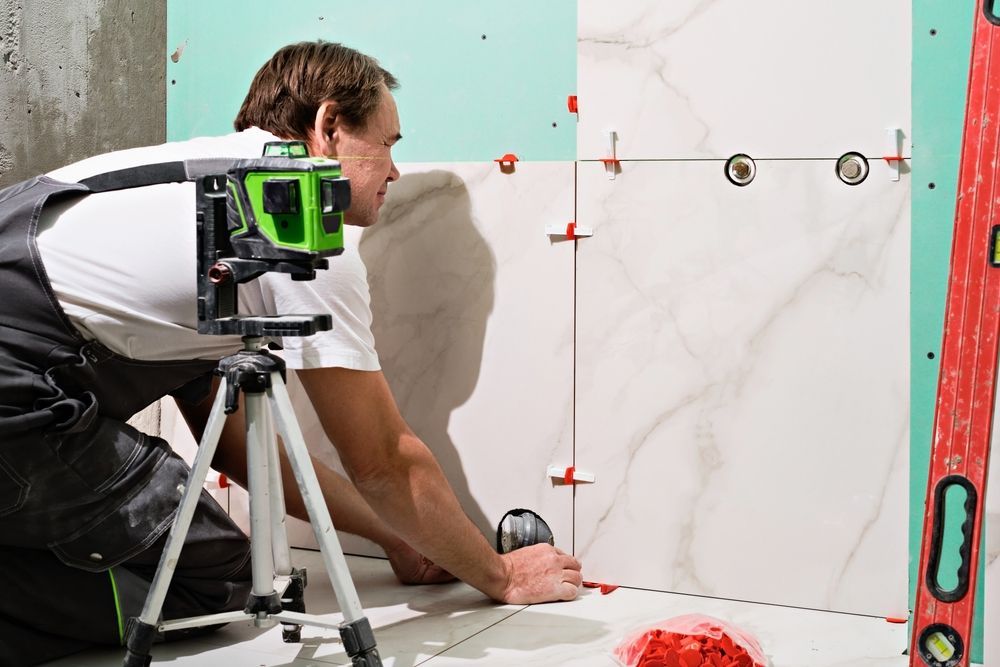
The process starts with surface preparation and substrate assessment to confirm that the underlayment is rigid, level, and moisture-resistant—backer board or waterproof membrane is installed in wet areas where drywall or plywood would degrade from repeated exposure. Tile cutting and layout account for expansion joints at transitions and perimeter edges, and grout application includes sealant rated for moisture protection in spaces like showers and tub surrounds.
Schedule a tile consultation to review material options and substrate requirements for your bathroom or kitchen project.
How Tile Installation Addresses Long-Term Moisture
Tile work in Canton involves more than adhering ceramic or porcelain to a wall—it requires creating a layered assembly where the substrate, adhesive, grout, and sealant all work together to block water migration. Substrate choice determines whether the installation survives years of humidity exposure without the tile debonding or the underlayment softening. Your Home Handyman LLC uses moisture-rated backer board in areas where water contact is frequent, and sealant is applied to grout lines after curing to reduce porosity.
Once installation is complete, you'll notice tile surfaces that sound solid when tapped rather than hollow, grout lines that remain intact without cracking at corners or transitions, and edges where caulk creates a water-tight seal between tile and fixtures. Water beads on sealed grout rather than soaking in, which prevents staining and reduces the likelihood of mold developing in the joints.
The scope includes confirming that the tile layout minimizes cuts in visible areas and that the pattern aligns symmetrically at focal points like shower niches or kitchen backsplashes. Expansion joints are placed at transitions between tile and other materials to accommodate slight movement without cracking the grout or tile edges.
Answers to Frequent Tile Questions
Tile project questions usually focus on material selection, substrate requirements, and what prevents common failure patterns in wet environments.
What substrate is required for tile installations in Georgia's humidity?
Moisture-resistant backer board or waterproof membrane is installed in showers, tub surrounds, and other wet areas, since standard drywall or plywood absorbs humidity and softens over time, causing the tile to debond or crack.
How do you prevent grout from cracking in high-traffic or wet areas?
Grout is mixed to the correct consistency, applied with full coverage in the joints, and allowed to cure completely before sealant is applied; flexible grout is used in areas subject to movement, such as floor transitions.
Can tile be installed over existing tile, or does the old material need removal?
Installing over existing tile is possible if the old surface is sound, clean, and level, but if the original installation shows hollow spots, loose tiles, or water damage, removal down to the substrate is necessary to prevent failure of the new layer.
What's the difference between sanded and unsanded grout, and when is each used?
Sanded grout is used for joints wider than one-eighth inch because the sand particles provide structural stability, while unsanded grout is used for narrow joints and polished tile where sand could scratch the surface.
How long before tile surfaces are ready for water exposure after installation?
Grout requires twenty-four to seventy-two hours to cure depending on humidity levels in Canton, and sealant is applied after the grout fully hardens, with full water exposure delayed until the sealant cures, typically another twenty-four hours.
Your Home Handyman LLC handles tile installation and repair across Canton, Lake Arrowhead, Cherokee County, and Cobb County with substrate preparation and sealing methods designed for Georgia's moisture conditions. Request a project estimate to discuss material selection and installation scope for your bathroom or kitchen tile work.