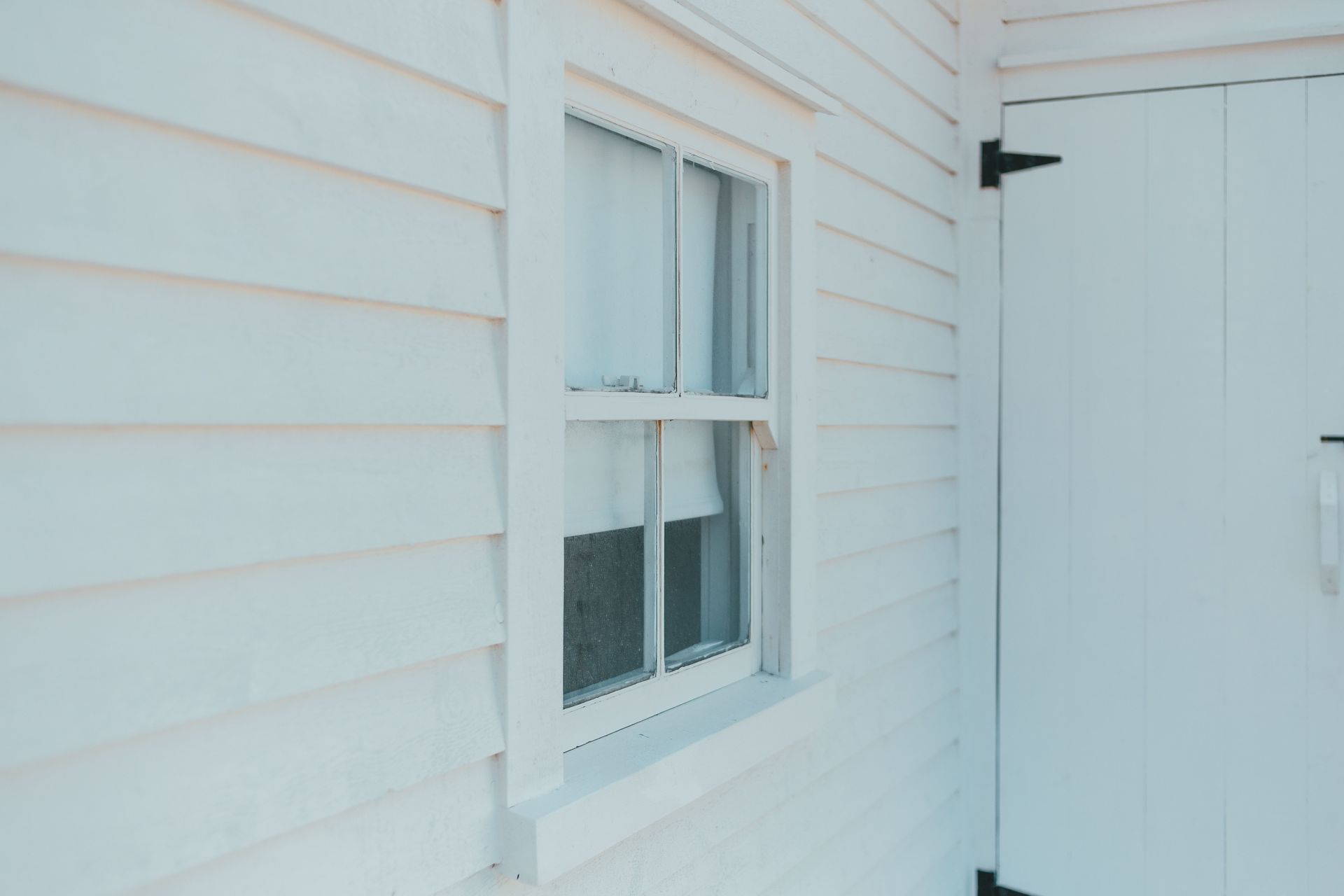

Exterior Protection That Withstands Humidity Cycles
Siding Repair & Replacement in Canton for homes facing moisture intrusion, wood rot, or weathering from Georgia's freeze-thaw and humidity patterns
When your siding shows warping near the foundation, cracks along horizontal seams, or paint that peels in sheets rather than flakes, you're seeing the effects of Georgia weather cycles working against materials not installed to handle moisture movement. Your Home Handyman LLC repairs and replaces residential siding across Canton and Cherokee County, addressing damage that stems from freeze-thaw expansion and humidity penetration. Siding work is often paired with wood rot repair when moisture has compromised both the exterior layer and the sheathing or framing beneath it.
The service begins with an assessment of existing siding condition to identify whether damage is isolated or part of a systemic failure in how the material was originally sealed. Material selection focuses on climate durability—choosing products rated for Georgia's humidity levels and temperature swings. Installation techniques prioritize sealing against moisture intrusion at all seams, edges, and penetrations, since water that enters behind siding accelerates rot in the wall structure.
Request a siding condition assessment to determine whether isolated repairs or full replacement address the specific failure patterns in your exterior walls.
What Proper Siding Installation Requires
Siding replacement in Canton involves more than fastening new boards to the wall—it requires evaluating the substrate for moisture damage, correcting any drainage issues that contributed to the original failure, and installing the new material with expansion gaps that accommodate seasonal movement. Your Home Handyman LLC applies installation techniques that seal lap joints and corner trim against water infiltration, which is critical in humid climates where even small gaps allow moisture to migrate into wall cavities.
Once replacement is complete, you'll notice walls that sit flat without buckled sections, seams that align uniformly without gaps, and corners where trim pieces meet tightly without separating. The siding no longer retains moisture against the sheathing, which prevents the conditions that lead to rot recurrence. Paint or finish adheres evenly across the entire surface rather than flaking at stress points.
The scope includes confirming that flashing at windows and doors directs water away from vulnerable seams, and that the bottom course of siding maintains clearance from soil or splash-back zones. Material warranties depend on proper installation methods, so techniques follow manufacturer specifications for fastener spacing, overlap dimensions, and joint sealing.
Questions About Siding Work
Homeowners evaluating siding projects typically want to understand material performance in local conditions and what the installation process addresses beyond the visible damage.
What siding materials perform best in Georgia's humidity and freeze-thaw cycles?
Fiber cement and engineered wood products rated for moisture exposure handle Georgia's seasonal swings better than untreated wood, which absorbs moisture during humid months and cracks when temperatures drop.
How do you confirm the wall structure is sound before installing new siding?
The sheathing and framing are inspected for soft spots, discoloration, or structural deflection, and any compromised components are replaced before new siding is fastened, since installing over damaged substrate shortens the life of the new material.
Can siding be repaired in sections, or does damage usually require full replacement?
Isolated damage from impact or localized rot can be repaired by replacing affected sections, but if multiple areas show weathering, buckling, or moisture staining, those are indicators that the entire installation has reached the end of its service life.
What happens if moisture has damaged the insulation or interior walls?
Interior damage is documented during the assessment, and repairs extend to the wall cavity when moisture has compromised insulation or drywall, since leaving those conditions unaddressed creates mold risk and reduces thermal performance.
How is the new siding sealed to prevent moisture from entering at joints?
Lap joints receive caulk or sealant rated for exterior movement, corner trim is installed with overlapping flashing, and all penetrations for fixtures or utilities are sealed with flexible caulk that accommodates the material's expansion and contraction.
Your Home Handyman LLC handles siding repair and replacement across Canton, Waleska, Lake Arrowhead, and surrounding areas with installation methods designed for Georgia's moisture cycles. Schedule a property evaluation to review material options and assess the condition of your existing wall structure.