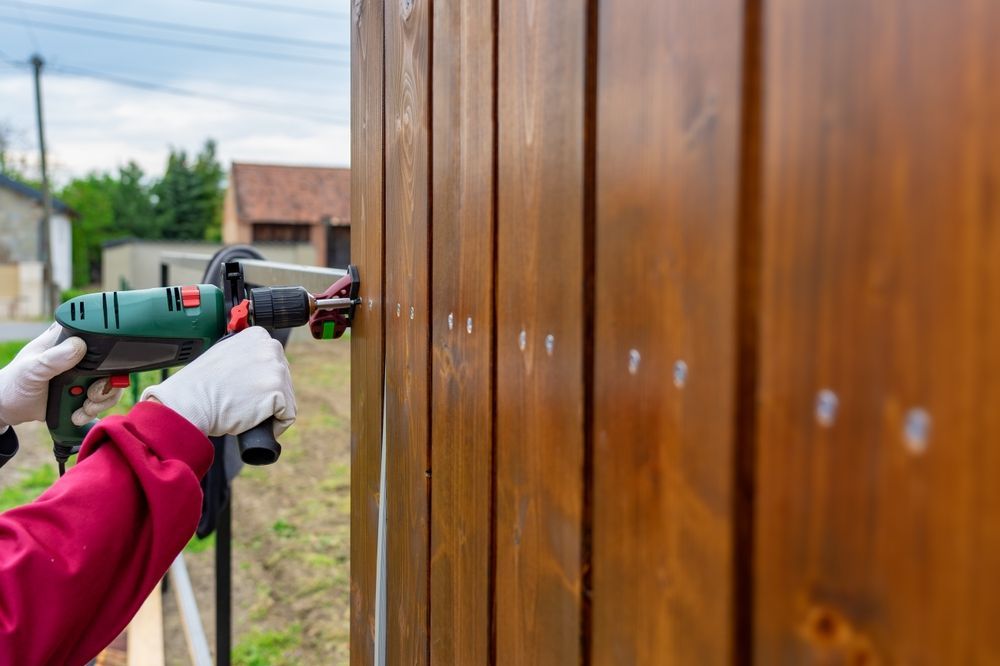

Fences That Stay Upright and Secure
Garbage Disposal Installation in Canton for kitchens upgrading from strainer baskets or replacing failed units
Clay-heavy soils common across Cherokee County shift with seasonal moisture changes, and fence posts set in shallow concrete or without adequate depth are the first components to show movement when the ground cycles through wet and dry periods. Your Home Handyman repairs residential fences in Canton, addressing post movement, panel damage, and hardware failure that develop from these conditions. Homeowners typically recognize the problem when sections lean visibly, gates fail to latch, or individual boards begin pulling away from the rails.
Fence repair work depends on correctly diagnosing what's actually failing. A leaning post may only need re-plumbing and additional concrete at the base, or it may need full replacement if the wood has rotted below grade. Rail splits and loose pickets are surface-level repairs that don't require post work; gate sag involves adjusting hardware at the hinge side and, in some cases, adding a diagonal brace across the gate frame to prevent future racking—a detail that gets skipped when the repair only reattaches the hinge without addressing the underlying load path.
Arrange an on-site evaluation to determine which sections of your fence need repair and what the work will require.
What You Notice Once Fence Repairs Are Finished
Fence repairs begin with identifying whether the failure is at the post, rail, or picket level—each requires a different approach and different hardware. Posts that have rotted below grade get replaced with new material set in concrete and plumbed to match the fence line. Rails that have split or pulled from post connections get re-secured with fasteners appropriate to the fence material, since wood fencing and vinyl or composite sections require different hardware to hold correctly.
Once repairs are complete, fence sections should stand plumb with no visible lean, gates should latch and swing without dragging, and individual boards should sit tight against the rails without gaps or movement under hand pressure. Replaced wood sections will show a color difference from weathered existing material until exposure brings them closer to match—typically one full season of sun and rain.
Not all fence damage requires full-section replacement. Your Home Handyman evaluates each repair individually to identify the minimum scope that restores structural function, which can mean tightening existing hardware, adding concrete at a post base, or replacing a single rail rather than an entire panel. This approach keeps repair costs proportional to actual damage rather than defaulting to full replacement on work that doesn't warrant it.
Common Questions About Fence Repair
Fence repair questions typically center on what's actually failing and how to determine the right fix. The answers below address the most common points of confusion before work begins.
How do I know if a leaning post needs full replacement or just re-setting?
A post that has rotted at or below the soil line needs replacement; one that has shifted due to soil movement can often be re-plumbed and re-set with additional concrete poured at the base.
What causes fence gates to sag and fail to latch over time?
Gate sag typically develops when hinge hardware loosens or when the gate frame lacks internal bracing to resist the downward diagonal pull of its own weight—both of which are correctable without replacing the gate itself.
Why do fence posts fail faster in some yard sections than others?
Posts in low-drainage areas or sections that stay wet after rain are exposed to sustained moisture at the base, which accelerates wood breakdown below grade even when the above-ground portion looks intact.
When does fence repair make more sense than replacement?
Repairs are appropriate when failure is isolated to specific posts, rails, or panels; full replacement becomes more practical when multiple sections are failing simultaneously across a long fence run.
What does Your Home Handyman include in a Canton fence repair estimate?
The estimate identifies which components need repair or replacement, what materials the job requires, and what the labor involves—determined during an on-site review of the fence condition before any commitment is made.
Fence sections that have shifted or sustained damage don't stabilize on their own, and delayed repairs typically expand the scope of work required. Your Home Handyman provides on-site estimates for fence repair across the Canton area—request one to understand what the repair involves before scheduling.