
Fixtures That Stop Running and Seal Properly
Toilet Repair and Replacement in Canton for units that leak, run continuously, or require water efficiency upgrades
A toilet that runs between flushes wastes hundreds of gallons monthly, and leaks around the base indicate wax ring failure that damages subflooring if ignored. Your Home Handyman repairs flush mechanisms, replaces flappers and fill valves, and installs new toilet units when existing fixtures can't be salvaged. Older Cherokee County homes frequently show wear in original plumbing components, and upgrading to water-efficient models reduces utility costs while eliminating the constant sound of running water.
Repair work focuses on diagnosing whether the problem originates in the tank mechanism or the seal between the toilet and the floor. Flapper deterioration and fill valve corrosion are the most common causes of running toilets, while base leaks require wax ring replacement and bolt inspection to confirm the fixture sits level on the flange.
Request a detailed estimate based on whether your fixture needs component replacement or full unit installation.
How Toilet Repair Addresses Common Failure Points
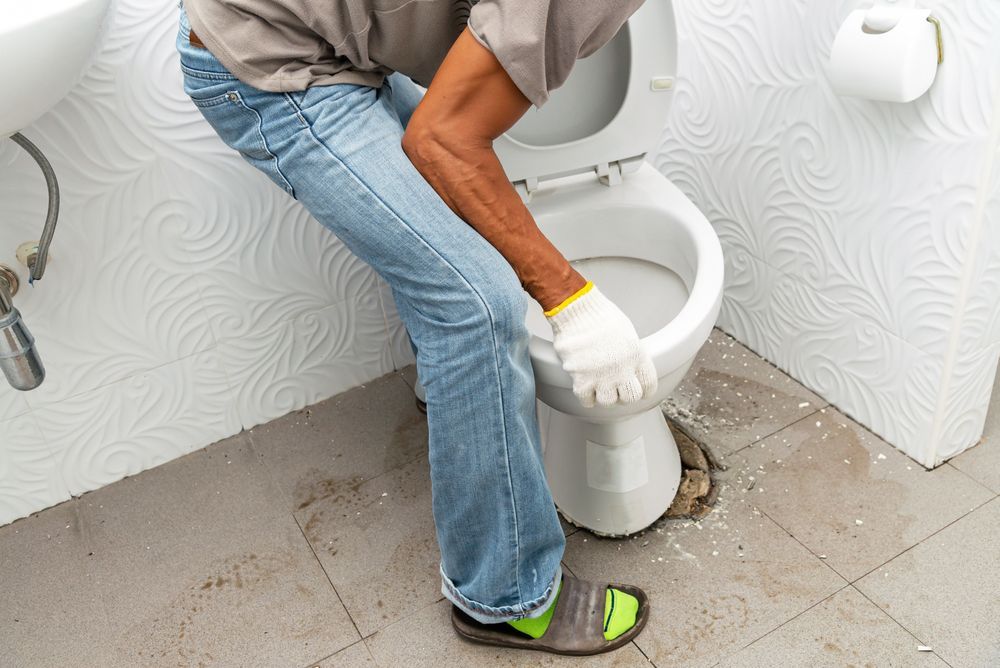
Repair begins with identifying which component has failed—typically the flapper, fill valve, or flush valve assembly. The tank gets drained, the faulty part is removed, and a replacement rated for your toilet's flush volume is installed. During full replacements, the old unit is unbolted, the wax ring is scraped clean from the flange, and the new toilet is set with a fresh seal and secure anchor bolts.
After repair or replacement, the toilet flushes completely without running afterward, and no water pools around the base or inside the tank between uses. The handle responds with consistent resistance, and the fill cycle stops at the correct water level without overflow into the standpipe. Comfort-height models installed during replacement make a noticeable difference in accessibility for households with mobility considerations.
Standard repairs address single-component failures, while full replacement includes removing the old fixture, installing the new unit, and testing for leaks. The service does not include subfloor repair if water damage has spread beyond the immediate toilet footprint, though Your Home Handyman can assess whether additional work is needed during the initial inspection.
Common Questions About This Service
Toilet repairs and replacements in Canton raise questions about whether a fixture can be saved, how long installations take, and what gets included in the service. Most answers depend on the age and condition of the existing unit.
How do I know if my toilet needs repair or full replacement?
If the tank mechanism fails repeatedly or the porcelain shows cracks, replacement becomes more cost-effective than ongoing repairs. Persistent leaks around the base after wax ring replacement may indicate a warped flange or uneven floor that requires addressing during a new installation.
What causes a toilet to run constantly between flushes?
The flapper at the bottom of the tank deteriorates over time and stops sealing completely, allowing water to trickle into the bowl. Fill valves also wear out and fail to shut off at the correct water level, causing overflow into the standpipe and a continuous refill cycle.
Why do older Canton homes experience more frequent toilet issues?
Homes in Waleska and downtown Canton built before modern low-flow standards often have original fixtures with worn internal components, and the higher water volume per flush accelerates wear on flappers and valves. Mineral buildup from local water supply also contributes to valve corrosion over time.
When should I upgrade to a comfort-height model during replacement?
Comfort-height toilets sit two inches higher than standard fixtures, reducing strain during use for adults and improving accessibility for anyone with joint or mobility limitations. They install using the same floor flange as standard models, so the upgrade adds no additional structural work during replacement.
What happens to the old toilet after replacement?
The old fixture is disconnected, removed from the flange, and disposed of according to local waste guidelines. Wax residue is scraped completely from the flange surface before the new unit is positioned, and bolts are replaced if corrosion or threading damage is present.
Your Home Handyman evaluates whether repair or replacement makes sense for your fixture's condition and provides transparent recommendations based on what the inspection reveals. Arrange an on-site consultation by calling (678) 693-3363 to review your toilet's specific issue and discuss water efficiency options available in current models.