
Floors Prepared for Georgia's Seasonal Movement
Flooring Installation in Canton for homes requiring subfloor moisture management and material selection suited to humidity exposure
Georgia's climate presents a specific challenge for flooring installations—subfloor moisture that expands and contracts with seasonal humidity swings causes floors to buckle, gap, or cup if the material isn't selected and installed to accommodate that movement. Your Home Handyman LLC installs various flooring types in residential homes across Canton, Waleska, Lake Milton, Alpharetta, Broadwell, and Cherokee County, beginning with subfloor assessment to identify moisture content and structural stability before any material is laid. The installation process accounts for the need to seal against moisture migration from below and to leave expansion gaps that prevent the floor from binding against walls when the material swells during humid months.
Flooring work starts with subfloor preparation—leveling compounds fill low spots, moisture barriers are installed over concrete slabs prone to condensation, and any damaged or soft areas in wood subfloors are reinforced or replaced. Material-specific installation techniques follow manufacturer guidelines for fastener spacing, adhesive coverage, and acclimation time, with finishing steps that include sealing edges and transitions to block moisture intrusion at vulnerable seams.
Arrange a subfloor evaluation to confirm moisture levels and structural readiness before selecting flooring material for your project.
What Happens During Material-Specific Installation
Flooring installation varies significantly based on whether the material is solid hardwood, engineered wood, laminate, luxury vinyl, or tile—each requires different subfloor preparation, adhesive or fastening methods, and expansion allowances. Solid hardwood installations in Canton must account for wood's tendency to expand across the grain during summer humidity, which requires leaving larger gaps at the perimeter than would be necessary in drier climates. Engineered wood and luxury vinyl products are more dimensionally stable but still need subfloor moisture testing to confirm the environment won't exceed the material's tolerance.
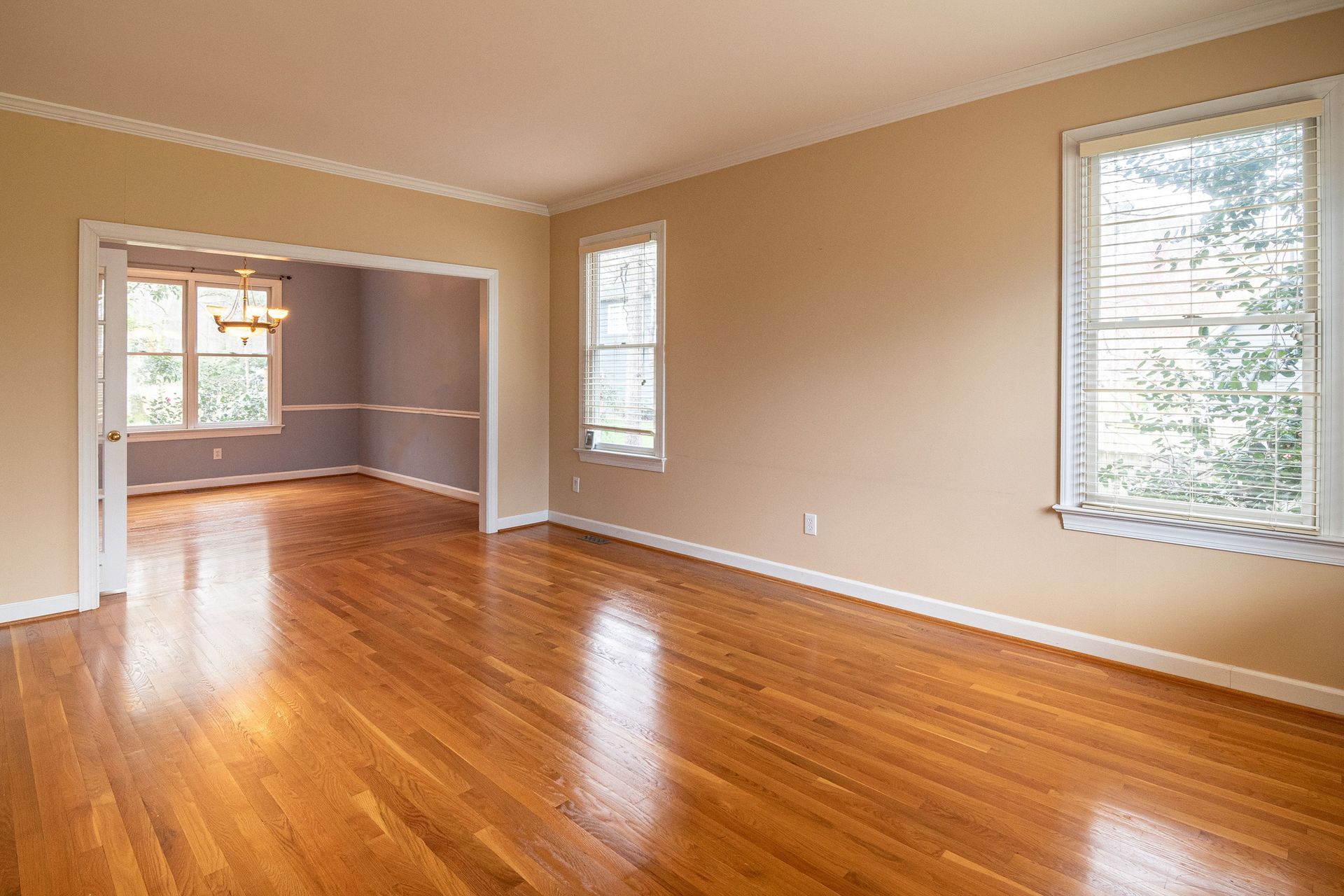
After installation, you'll notice floors that sit level without dips or high spots, transitions between rooms that align flush without tripping hazards, and edges where quarter-round or baseboards conceal the expansion gap without visible space. The flooring moves slightly with seasonal changes but doesn't buckle away from the subfloor or separate at seams, because the installation included appropriate spacing and fastening patterns.
The work includes confirming that underlayment is appropriate for the flooring type and subfloor material—foam or cork underlayment dampens sound and provides minor leveling for floating floors, while moisture barriers are required over concrete or in basements where vapor transmission is a concern. Material acclimation time is observed before installation to allow the flooring to reach equilibrium with the indoor humidity level, which reduces post-installation movement.
What Homeowners Ask About Flooring Projects
Flooring installation questions generally focus on material performance in local conditions and how the subfloor affects long-term durability.
How do you determine if the subfloor is ready for new flooring?
Moisture content is tested using a meter, the surface is checked for level using a straightedge, and any deflection or soft spots are evaluated by walking the floor and observing movement, since unstable subfloors cause flooring to shift or separate at joints.
What flooring materials handle Georgia's humidity best without warping or gapping?
Engineered wood, luxury vinyl plank, and tile remain more dimensionally stable than solid hardwood because they're either manufactured with moisture-resistant cores or inherently unaffected by humidity changes.
Can flooring be installed directly over old flooring, or does the existing material need removal?
Installation over existing flooring is possible if the old surface is flat, well-adhered, and structurally sound, but removal is required if the existing floor is uneven, damaged, or would raise the finished height enough to create transition problems at doorways.
What causes floors to buckle or cup after installation, and how is that prevented?
Buckling and cupping result from moisture entering the flooring or inadequate expansion gaps at the perimeter; prevention includes moisture barrier installation, maintaining proper expansion space, and confirming that the subfloor moisture content is within the flooring manufacturer's acceptable range before installation begins.
How long before installed floors are ready for furniture and normal use?
Walk-on time depends on the flooring type—floating floors are ready immediately after installation, glued-down floors require adhesive cure time of twelve to twenty-four hours, and newly finished hardwood floors need several days before rugs or furniture are placed to avoid marking the finish.
Your Home Handyman LLC installs flooring across Canton and surrounding areas with subfloor assessment and material-specific techniques suited to Georgia's moisture and seasonal conditions. Set up a consultation to review flooring options and confirm subfloor readiness for your home's installation project.