Wall Surfaces Restored to Original Texture
Drywall Repair & Patching in Canton for Impact Damage and Settling Cracks
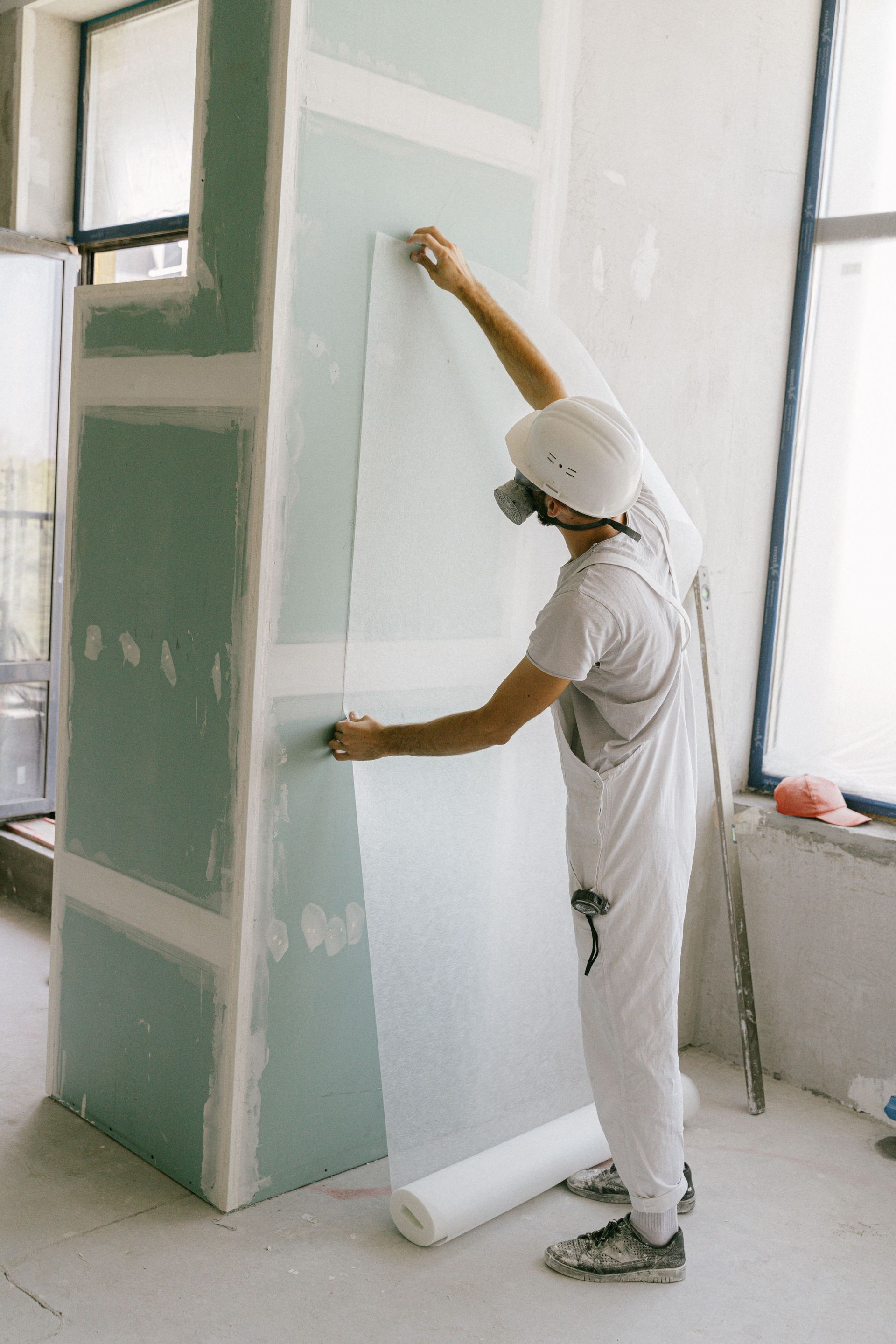
Settling in Cherokee County homes creates visible cracks at ceiling joints and corner seams, particularly in newer construction near Lake Milton where soil compaction continues after the foundation is poured. Your Home Handyman repairs drywall damage ranging from small nail holes to impact craters where furniture or doors have struck the wall, applying joint compound in layers that dry flat and match the surrounding texture. After repair, the patched area blends with the existing wall surface, and primer prepares it to accept the same paint finish without visible edges or texture differences.
The process begins with hole assessment to determine whether backing material is needed for larger voids, then joint compound is applied in thin coats that shrink and harden between sanding passes. Texture matching replicates knockdown, orange peel, or smooth finishes so the repair disappears once painted, and primer seals the new compound to prevent the topcoat from absorbing unevenly and creating a visible patch outline.
Arrange a wall inspection to evaluate whether your damage requires surface patching or structural backing installation.
What Proper Drywall Patching Requires
Older homes in Canton and the Broadwell area develop drywall damage from door handles, furniture impacts, and fastener holes left from removed fixtures, and each type of damage requires a different repair approach. Small nail holes are filled directly with compound, while impact craters larger than two inches need mesh tape or backing board to prevent the patch from cracking as the compound dries and shrinks.
Your Home Handyman sands each compound layer flush with the surrounding surface before applying the next coat, building thickness gradually rather than filling the void in one application, which prevents cracking and ensures the patch dries flat. Once sanding is complete and the surface is smooth to the touch, you no longer see a depression or raised edge where the damage was located, and the wall accepts paint without showing a texture difference or sheen variation.
The service handles both small cosmetic repairs for single rooms and larger wall sections where multiple impacts or settling cracks require attention, and includes prep work that allows you to paint immediately after the final coat dries. Compound is feathered beyond the damaged area to eliminate visible edges, and existing wall texture is replicated using rollers, brushes, or spray application depending on the original finish pattern.
Answers to Frequent Service Questions
Homeowners preparing to paint or addressing visible wall damage often ask how drywall repairs are completed and whether patched areas will remain visible after painting.
What determines whether a drywall hole needs backing material?
Holes larger than two inches in diameter require backing board or mesh tape because joint compound alone lacks structural strength and will crack or sag as it dries, while smaller holes can be filled directly with compound applied in thin layers.
How is wall texture matched during drywall repair?
Texture is replicated by observing the existing pattern and using the appropriate tool—knockdown texture is created with a trowel, orange peel with a spray hopper, and smooth finishes with progressively finer sanding grits—then tested on scrap material before applying to the repaired area.
When can a patched wall be painted?
Walls can be painted after the final compound coat has dried completely, typically 24 hours in Canton's climate, and after primer has been applied to seal the new compound and prevent the topcoat from absorbing unevenly and highlighting the repair.
Why do some drywall repairs crack after completion?
Cracks appear when compound is applied too thickly in a single coat, dries unevenly, and shrinks, or when backing material is not installed in larger holes, allowing the patch to flex with wall movement from settling or humidity changes common in Cherokee County homes.
What preparation is included before patching begins?
Preparation includes removing loose compound or paper facing from the damaged area, cutting the hole into a clean geometric shape if edges are ragged, and cleaning dust from the surface so new compound adheres properly without delaminating.
Your Home Handyman completes drywall repairs before painting projects or as standalone fixes for visible damage, matching existing textures and preparing surfaces so paint adheres uniformly. Schedule a repair consultation to review wall damage and determine the approach needed based on hole size and surrounding surface condition.